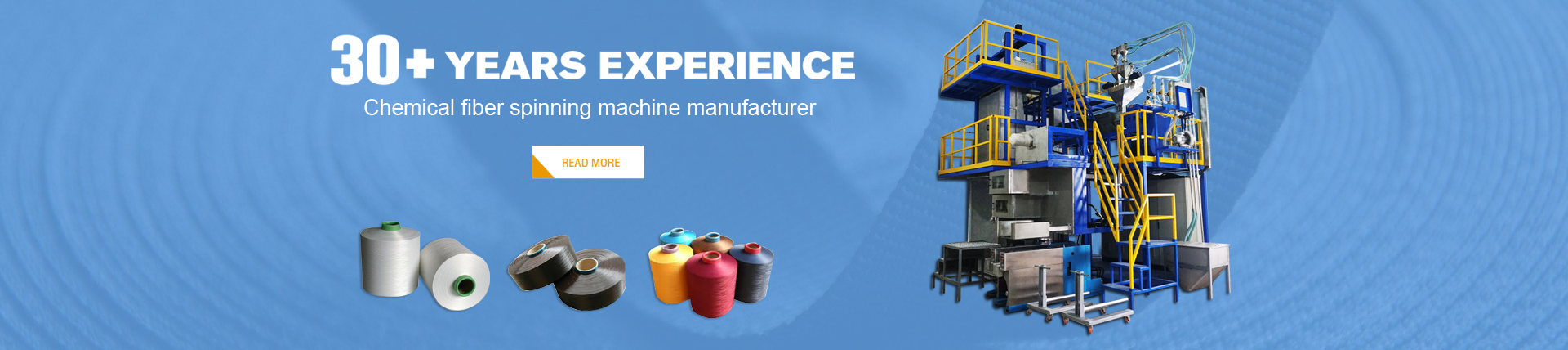
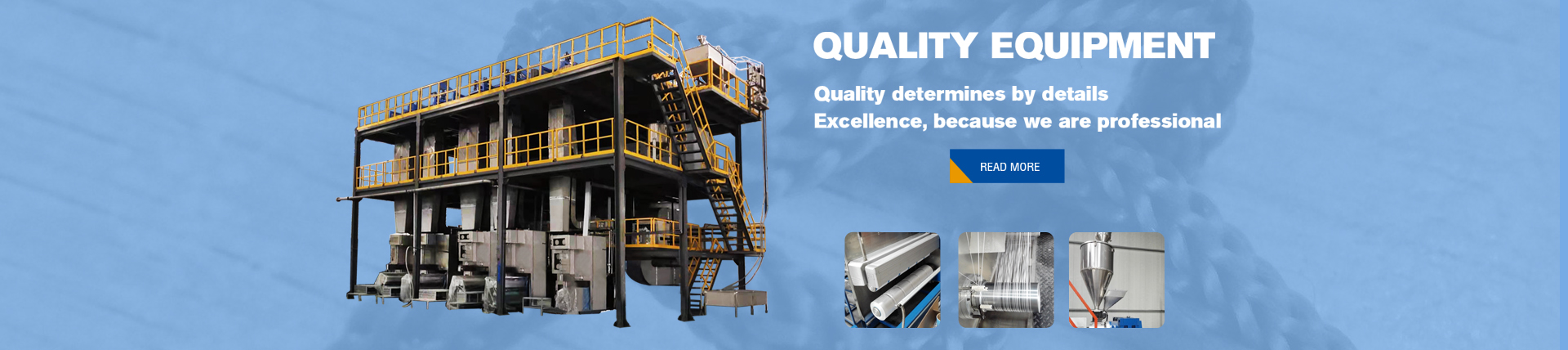


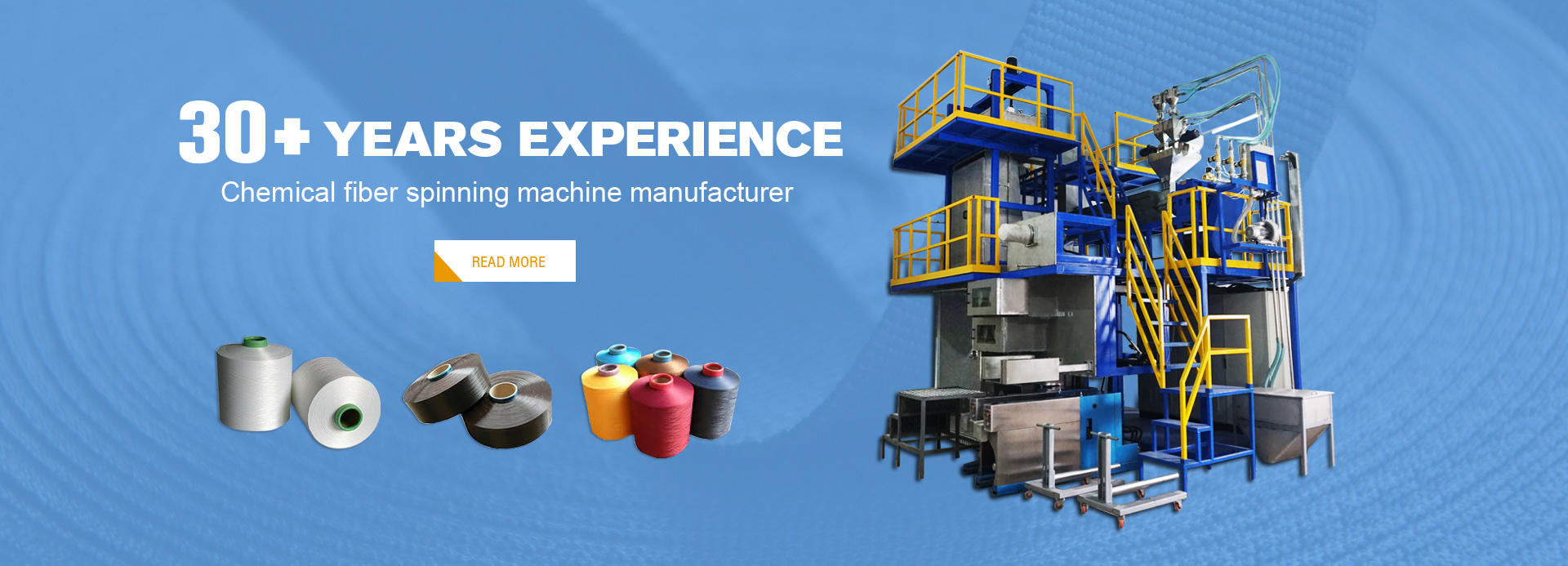
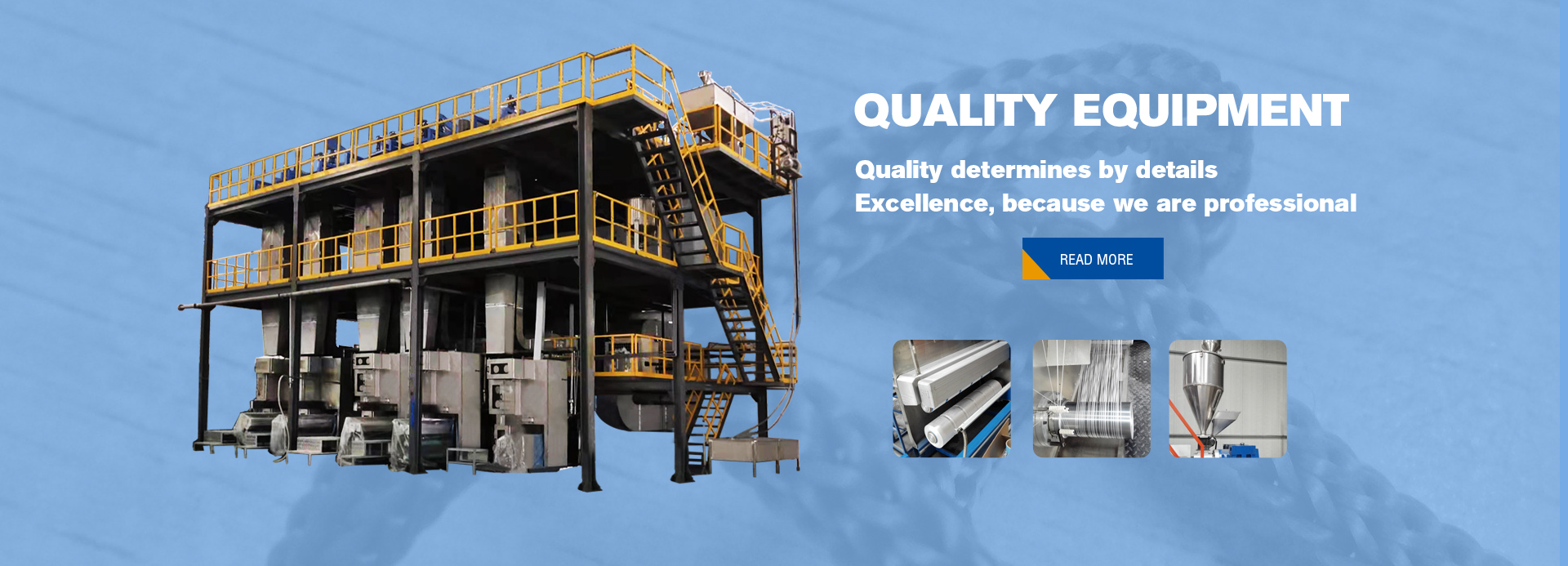
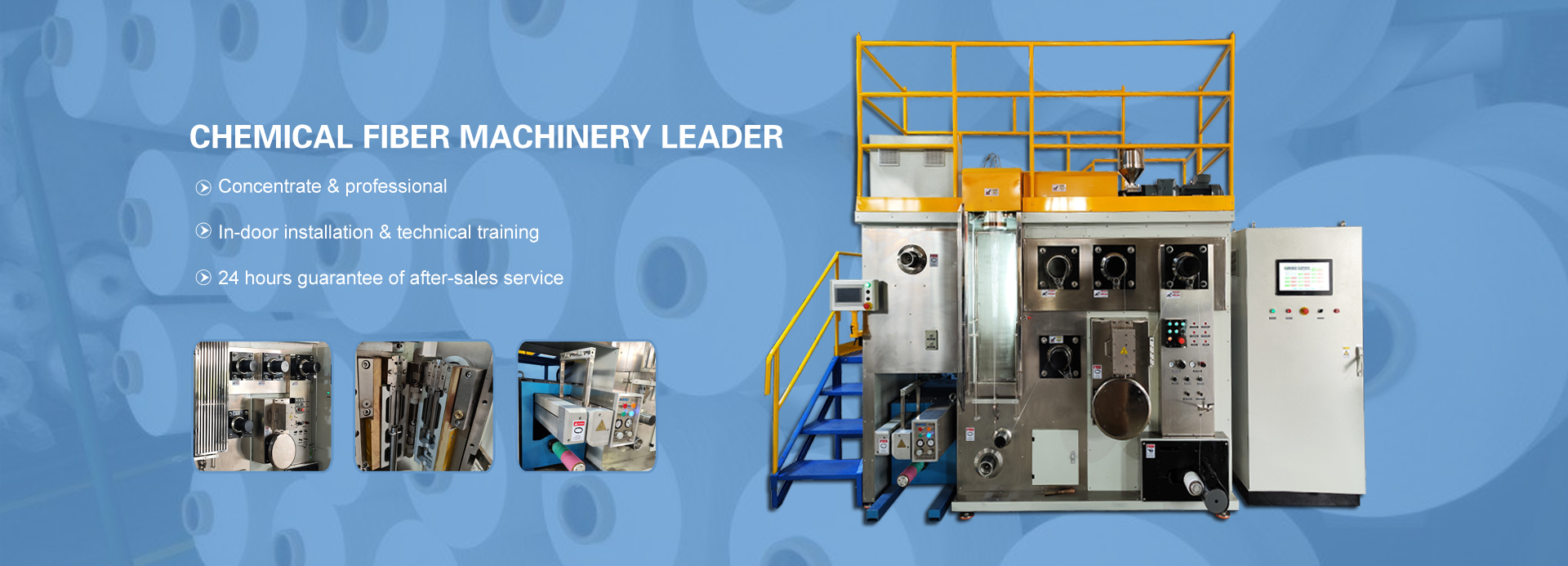
Wigs, hair extensions, braiding hair — the "hair on top" business is expanding fast across the global beauty and personal-care market. But to make synthetic hair pass for the real thing, the base filament itself must clear four hard bars at once: softness, gloss, strength, and stable filament formation. Too stiff and it looks fake; too dull and it has no shine; too weak and it breaks; uneven formation and the strands vary in thickness and read as artificial. That is exactly why Jiamei developed the PP FDY spinning machine — a continuous-filament line built for synthetic hair. It transforms polypropylene polymer into fine multifilament yarn through controlled spinning and drawing, the very "feed yarn" that becomes wig hair.
To make finished wigs look like real hair, the base yarn must pass four tests first. These four points are also the quality dimensions Jiamei's PP FDY line is built to lock in:
| Quality Factor | What It Means for Wig Fiber |
|---|---|
| Uniform filament formation | Every filament shares the same fineness, so strands are even and present a consistent hair appearance |
| Stable drawing process | Consistent molecular orientation lifts both fiber strength and flexibility — strands resist breaking and feel natural |
| Precise temperature control | A uniform, stable melt spins smoothly without blocking, and a smooth surface promotes the glossy look |
| Continuous winding system | High-speed, stable winding into packages supports efficient volume delivery and consistent bobbins |
PP is light, soft and corrosion-resistant: low density and a soft handfeel naturally suit the "light, flowing" look wig strands want;
FDY forms in one pass with controllable fineness: spinning–drawing–winding on a single line lets filament fineness and cross-section be tailored, directly setting the strand's thinness and evenness;
Tunable gloss and handfeel: spinning process and cross-section design adjust surface reflection and softness to match different tiers of "real-hair" demand.
Jiamei's PP FDY line is designed around those four factors:
Uniform formation: precision metering and spinneret design keep every filament at the same fineness, eliminating "thick-and-thin" strands at the source;
Stable drawing: multi-stage hot-roll drawing with a controlled, steady draw ratio lifts strength and flexibility together;
Precise temperature control: zoned temperature control over extrusion and spinning keeps the melt steady, so spinning is smooth and the filament surface is clean;
Continuous winding: high-speed automatic winding yields well-formed bobbins with fewer doffs, supporting stable volume supply.
PP polymer pellets enter the line and pass through a process chain consistent with standard FDY yet fine-tuned for hair appearance: dry & melt extrusion → spinning (fine multi-hole spinneret) → multi-stage drawing → oiling & intermingling → automatic winding. Drawing sets strength and flexibility; temperature control and formation set gloss and evenness — together they carry the "natural-hair" look of wig fiber.
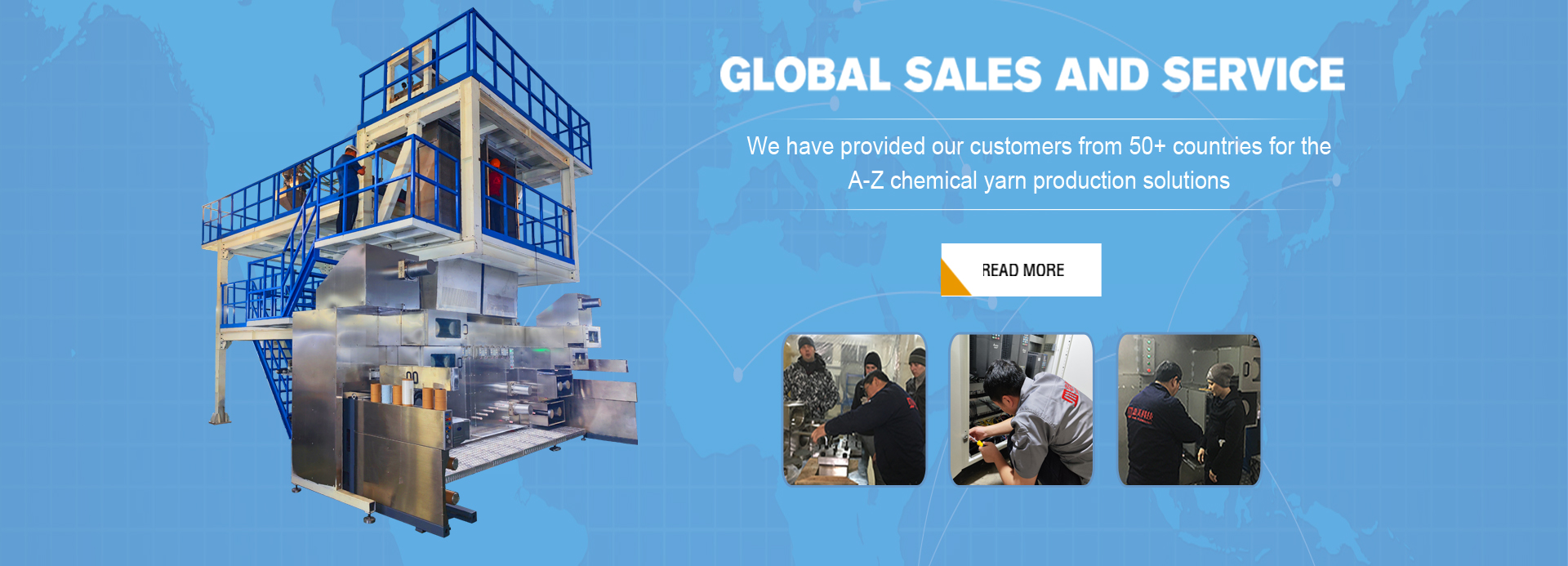
Jiamei Machinery (JM) specializes in customized filament spinning solutions for synthetic fiber manufacturers worldwide, offering complete configurations from single machines to full lines around PP / PET FDY (PP FDY multifilament spinning machine, JM131/141/161/181, automatic-doffing winder, high-tenacity sewing-thread machine, and more), with compatibility for 100% recycled feedstock to support customers' green upgrade.
Talk to a Jiamei engineer about tailor-made filament specifications, deniers and end-use configurations.
Contact Us Technical Support: 

 English
 русский