


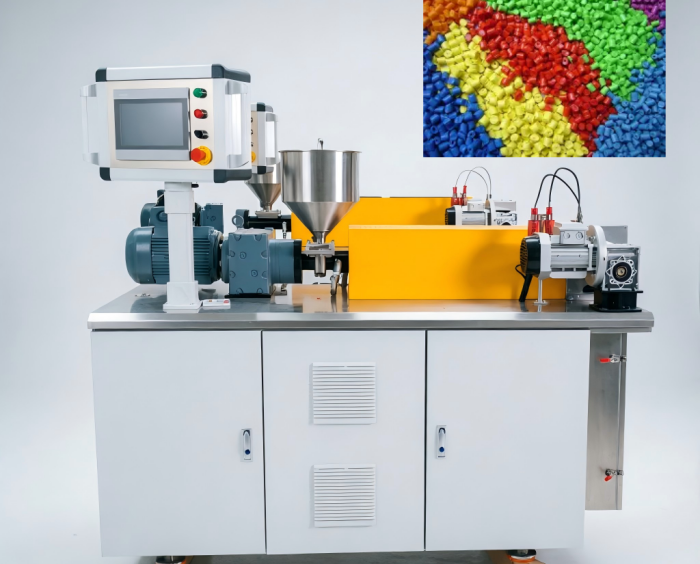
High-precision Filter Pressure Value (FPV) Test Machine for PP/PE masterbatch & pigments. Accurate dispersion analysis. Get a quote!
2.What is a Filter Pressure Value (FPV) Test Machine?
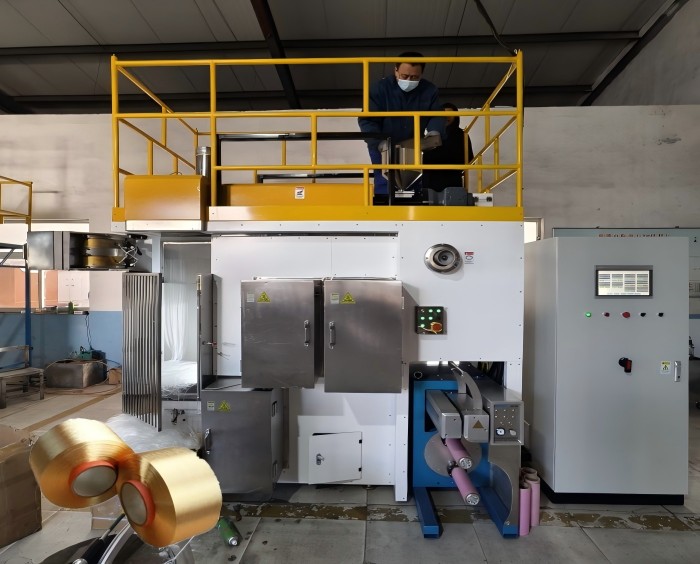
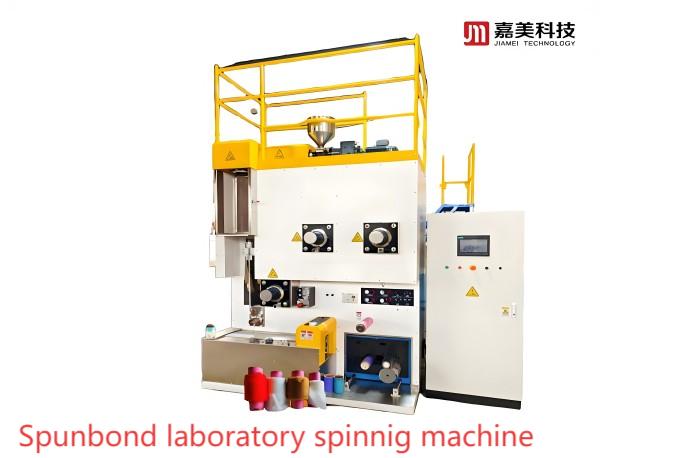
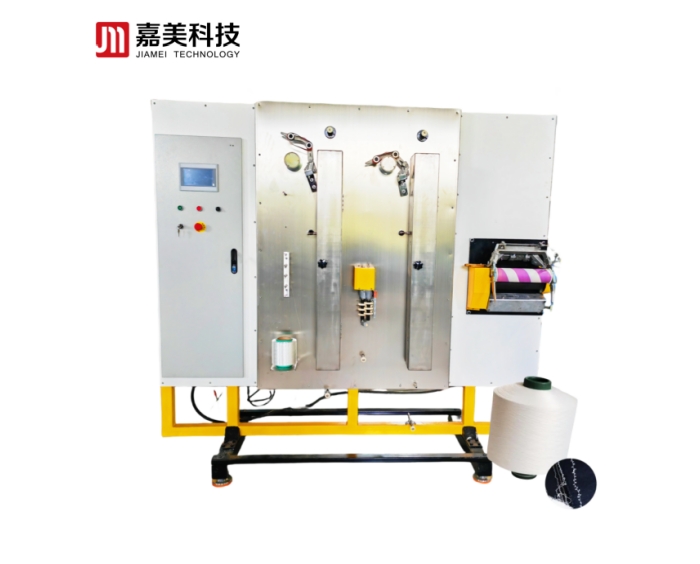
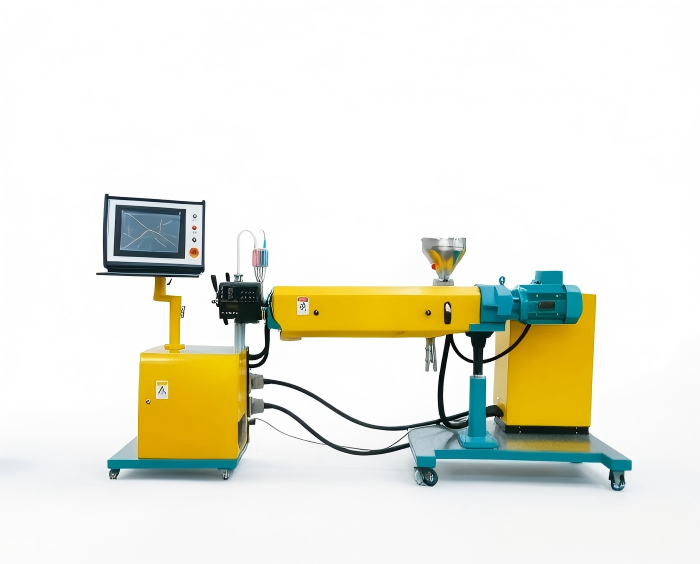
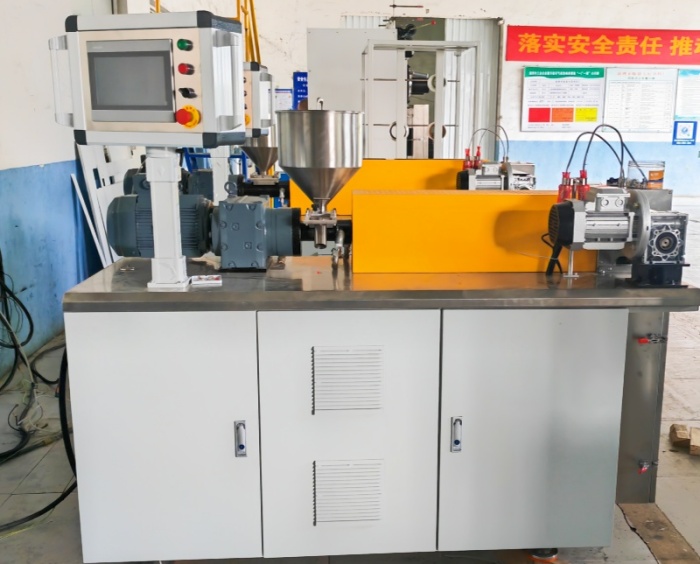
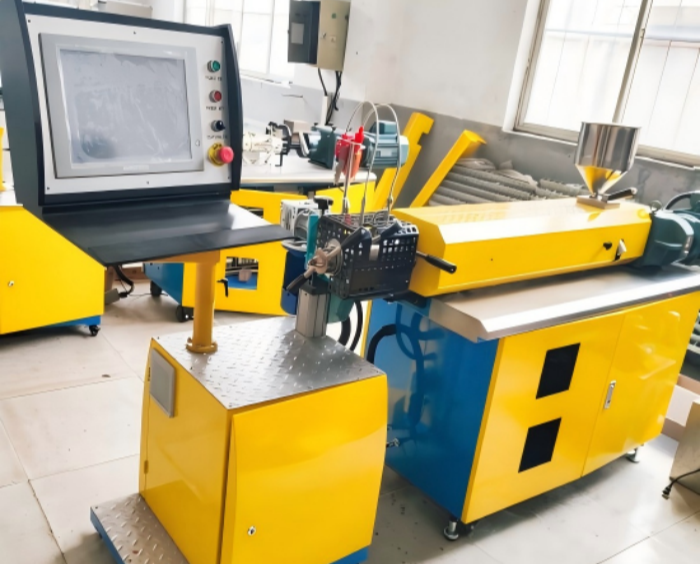
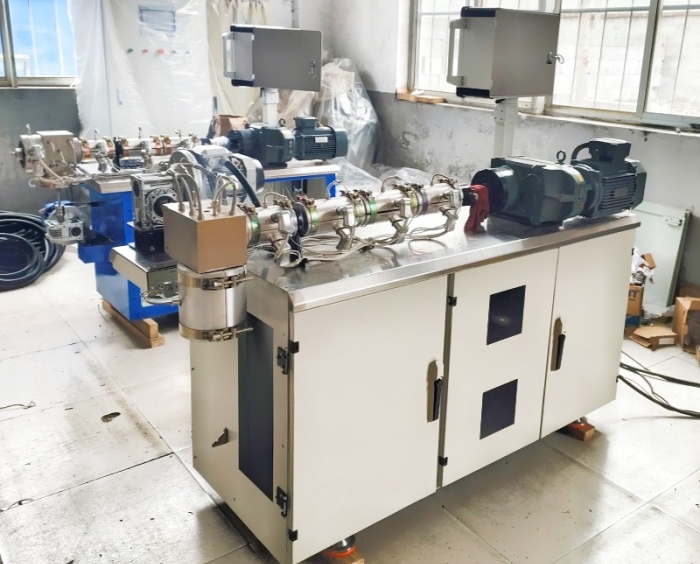
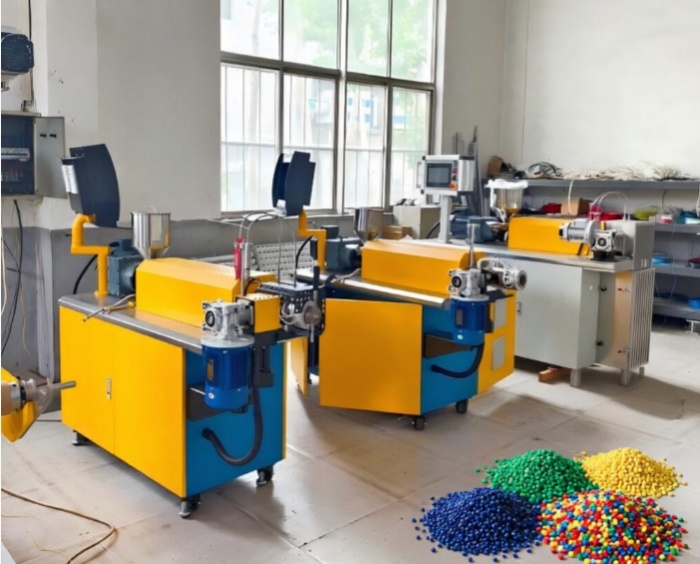
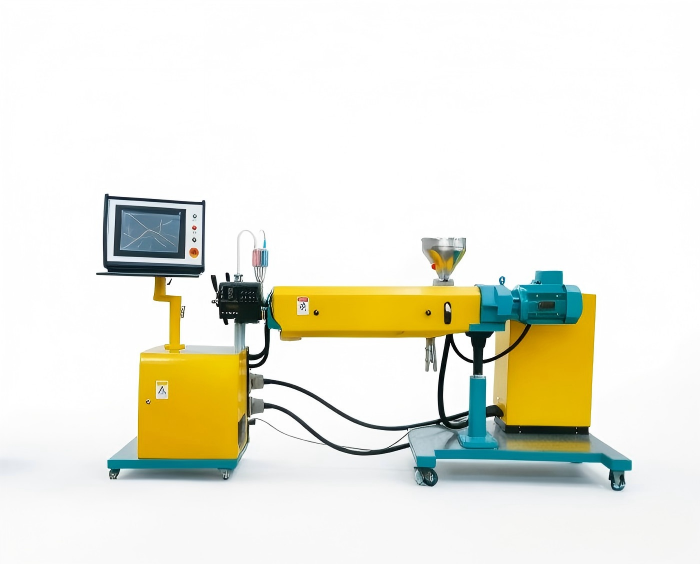
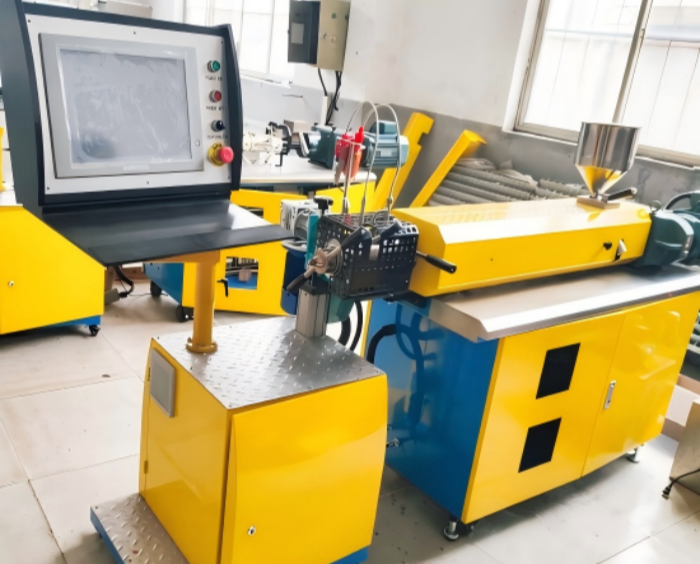
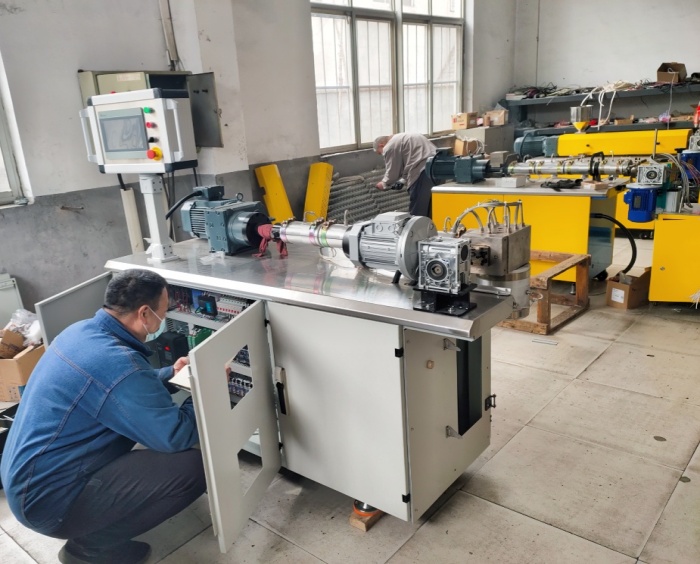
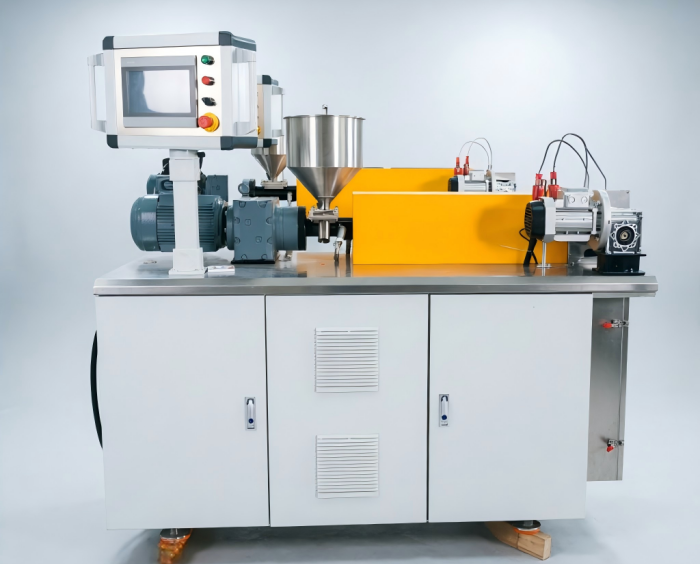
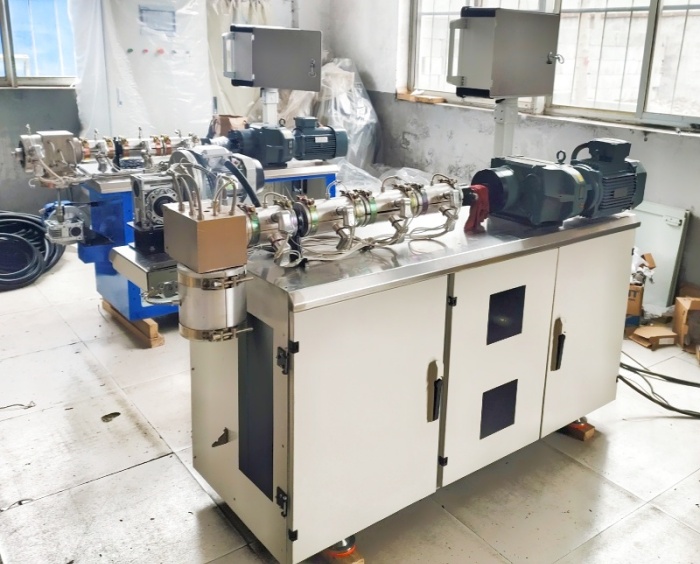
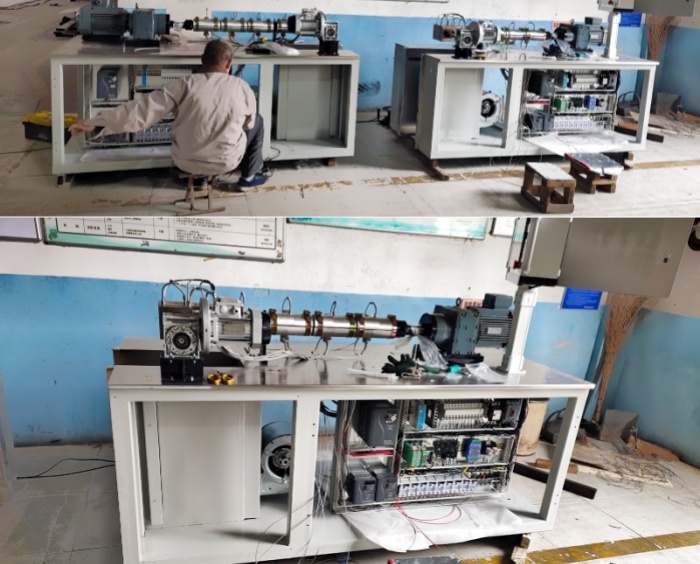
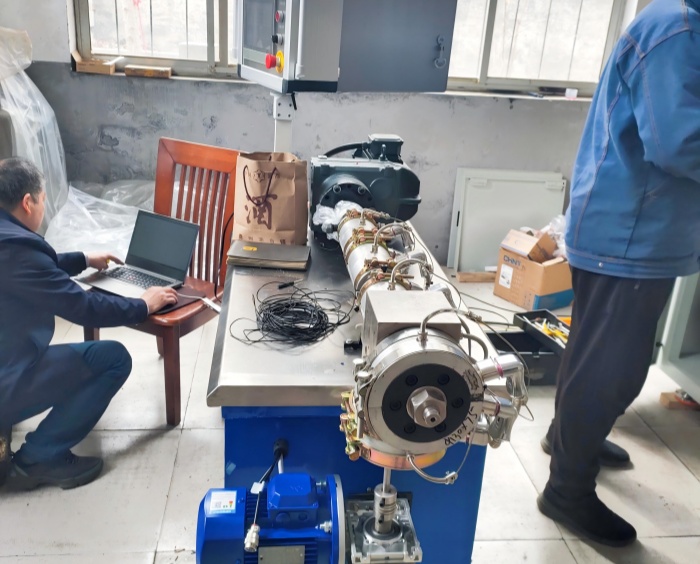
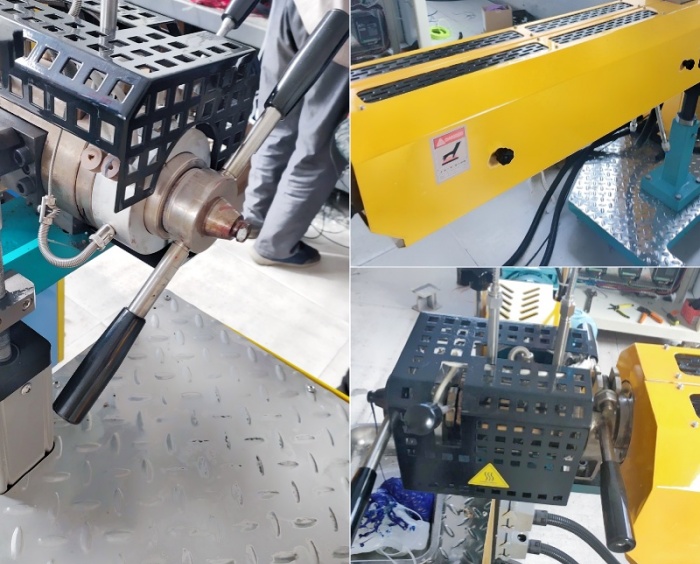
A Filter Pressure Value Test Machine, commonly known as an FPV tester, is a specialized laboratory instrument used to measure the filtration pressure generated during the extrusion of polymer melts. When testing materials like color masterbatch, undispersed particles gradually clog the standard filter screen, causing a pressure increase. The machine automatically records this pressure curve and calculates the FPV. A lower FPV indicates superior dispersion quality. This masterbatch dispersion test machine is essential for R&D and quality control in plastic manufacturing.
| Parameter | Value |
|---|---|
| Length to Diameter Ratio | 30:1 |
| Max Temperature | 320°C |
| Drive Power | 4 KW |
| Control System | IPC (Industrial PC) |
| Spin Pump | 2.4 cc/rev |
| Spin Pump Drive | AC-Drive, 0.75 KW |
| Heating Capacity | 2.5 KW |
| Drive System | AC-drive system |
| Equipment Size (approx.) | 2800mm (L) × 800mm (W) × 1500mm (H) |
| Weight (approx.) | 800 kg |
Color masterbatch and pigment dispersion
Polymer additives and fillers
Plastic raw materials (PP, PE, PET, etc.)
Why Choose Our FPV Testing Equipment?
As a leading manufacturer of FPV testing equipment, we provide comprehensive solutions for your quality control needs. From shortening R&D cycles with precise formulation data to real-time production monitoring, our filter pressure value test machine helps you maintain consistent product quality.
Q: How does the FPV test machine work?
The FPV test machine operates by extruding a polymer melt containing pigment or masterbatch through a standard filter screen under precisely controlled temperature and pressure. A small amount of test material is loaded into the heated barrel, melted to the processing temperature, and then forced through the filter by the rotating screw. As the melt passes through, undispersed pigment agglomerates gradually accumulate on the filter screen, causing the melt pressure to rise. The machine's pressure transducer continuously records this pressure change over time. The Filter Pressure Value is calculated from the pressure increase ratio, which directly reflects the dispersion quality of the pigment in the masterbatch — a lower pressure increase indicates better dispersion.
Q: What is the Filter Pressure Value test used for?
The FPV test measures the dispersion quality of pigments and additives in masterbatch and polymer compounds. During testing, polymer melt carrying pigment is forced through a filter screen at controlled temperature and pressure. As undispersed pigment agglomerates accumulate on the filter, pressure rises. The rate and magnitude of this pressure increase indicate dispersion quality — a lower FPV means better dispersion. This is critical for fiber manufacturers, as poor dispersion causes spin-pack clogging and filament breakage.
Q: What materials can be tested with this machine?
The machine is compatible with PP, PE, PET, PA (nylon). It is primarily used to evaluate masterbatch and compound samples in the synthetic fiber industry, covering FDY, POY, BCF, and ATY spinning applications. Different polymer grades can be accommodated by adjusting barrel temperature (up to 320°C), melt pressure, and screw speed to match each material's processing conditions.
Q: What are the key technical specifications of the FPV test machine?
Key specifications: screw length-to-diameter ratio of 30:1; maximum barrel temperature of 320°C; main drive power of 4KW with an AC-drive system; spin pump capacity of 2.4 cc/rev driven by a 0.75KW AC-drive motor; heating capacity of 2.5KW; IPC (Industrial PC) control system for precise operation and data acquisition; equipment dimensions of approximately 2800mm (L) × 800mm (W) × 1500mm (H); total weight of approximately 800kg.
TEL: +86 538 899 6996
E-MAIL: sales@jiameitech.com
Technical Support: 

 English
 русский