Vietnam has become an important global textile and garment manufacturing center. However, its textile supply chain still relies heavily on imported raw materials, particularly fabrics.
According to Vietnam News Agency reports published in November 2026, domestic fabric production meets approximately 36% of local demand. During the first nine months of 2026, Vietnam imported approximately USD 11.6 billion worth of fabrics.
This gap highlights opportunities for investment in upstream manufacturing, including yarn production, weaving and fabric processing.
Trade agreements also influence investment decisions. Under the CPTPP, qualifying textile and apparel products generally need to meet specific yarn-forward rules of origin to receive preferential tariff treatment. These requirements encourage manufacturers to review their sourcing strategies and develop more integrated production chains.
For polypropylene yarn manufacturers, investing in a PP FDY spinning machine offers an opportunity to establish local production capacity and supply downstream manufacturers with consistent PP multifilament yarn.
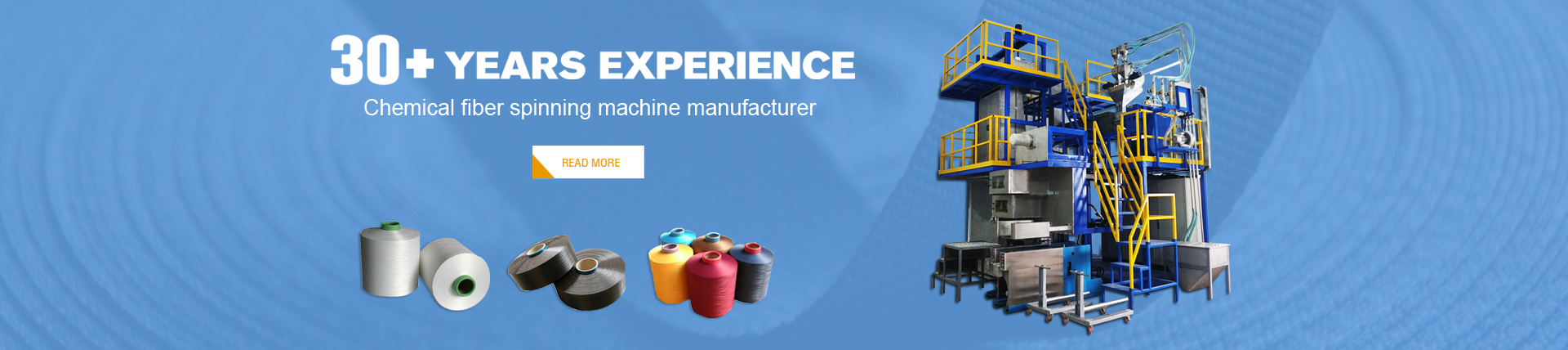
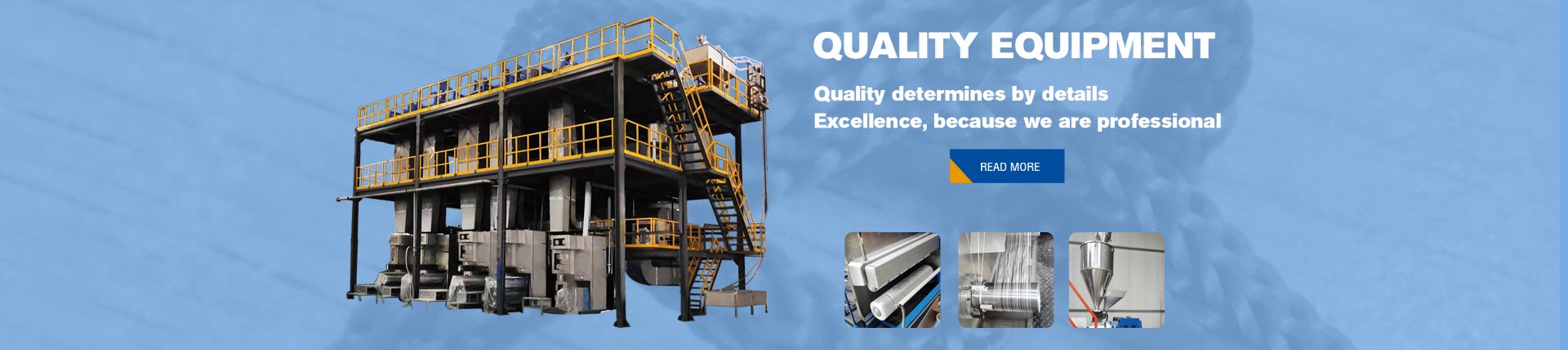
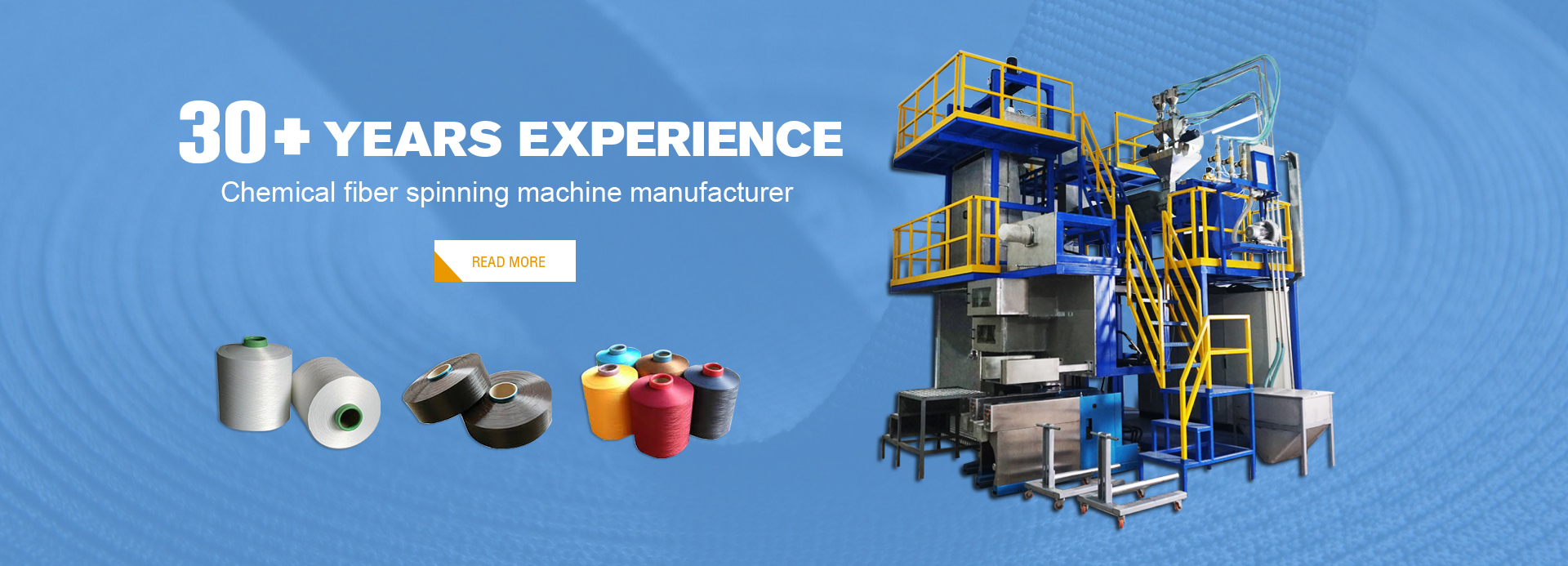
A PP FDY production line converts polypropylene chips into continuous multifilament yarn through extrusion, melt spinning, quenching, drawing and winding.
The finished yarn can serve different industrial sectors depending on its denier, filament count, tenacity and downstream processing requirements.
Polypropylene multifilament yarn is widely used in webbing production, including bag straps, industrial belts, lifting accessories and narrow woven fabrics.
Manufacturers can select different yarn specifications according to the required webbing width, tensile strength and end application.
A stable PP FDY yarn supply helps downstream weaving factories maintain consistent product quality and production efficiency.
FIBC bags and woven polypropylene packaging require durable sewing thread to maintain seam strength during filling, transportation and storage.
High-tenacity PP FDY yarn is an important raw material for industrial sewing thread production.
Jiamei's PP FDY spinning solutions can be configured for high-tenacity polypropylene yarn production. The achievable tenacity depends on the raw material, yarn specification and selected machine configuration.
Polypropylene multifilament yarn is also used in rope manufacturing, fishing nets, aquaculture equipment and industrial braiding.
For these applications, manufacturers should pay particular attention to yarn strength, filament uniformity, abrasion resistance and consistency between production batches.
The appropriate yarn denier and filament configuration should be determined according to the requirements of the final product.
PP multifilament yarn can also be used in filtration materials and other industrial textile applications.
Different applications require different yarn properties and downstream processing equipment. Buyers should therefore define their final product requirements before selecting a spinning line.
Before importing a polypropylene yarn production line, investors should evaluate factory conditions, utilities, production targets and technical support arrangements.
Vietnam has a tropical climate, with high temperatures and humidity in many manufacturing regions.
The cooling and quenching system should be designed according to local ambient conditions. Stable quenching airflow helps maintain consistent filament formation and yarn quality.
Buyers should confirm cooling capacity, air filtration requirements and operating conditions before installation.
Energy consumption directly affects the operating cost of a PP FDY production line.
Rather than comparing machines using general consumption figures, buyers should request an energy calculation based on their intended denier, production speed and output.
The quotation should clearly distinguish the power consumption of the main extruder from the total production-line consumption, including godet rollers, winding equipment, cooling systems and auxiliary machinery.
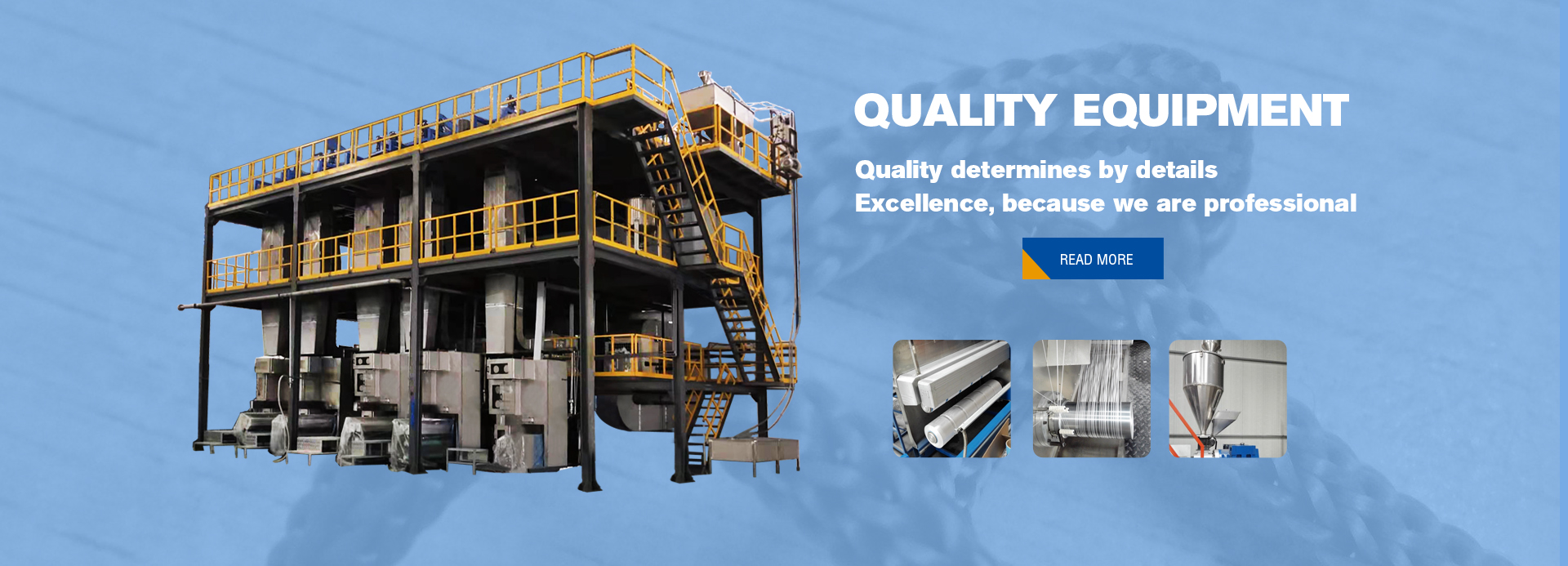
The available factory space must accommodate the extruder, spinning beam, quenching chamber, drawing godets, winding equipment and auxiliary systems.
For some PP FDY production configurations, a building height of approximately 7 meters may be required. However, the actual requirement depends on the machine model and production arrangement.
Buyers should request detailed equipment layout drawings before signing a factory lease or starting building modifications.
Professional installation and operator training are important for achieving stable production.
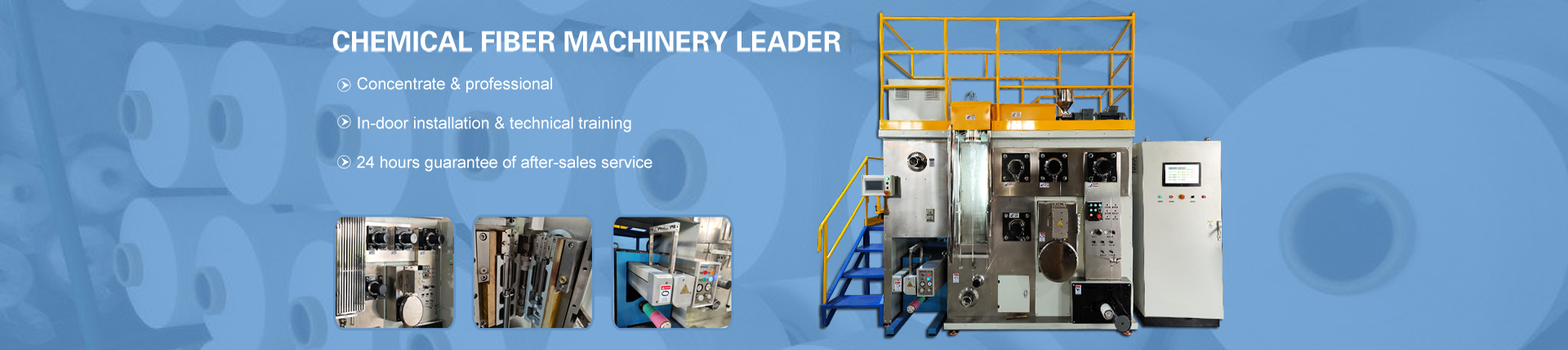
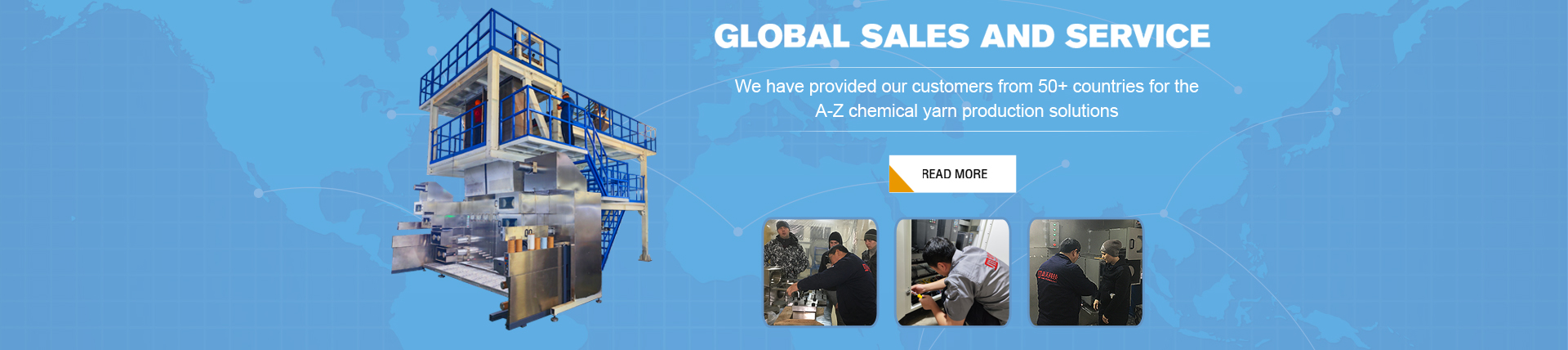
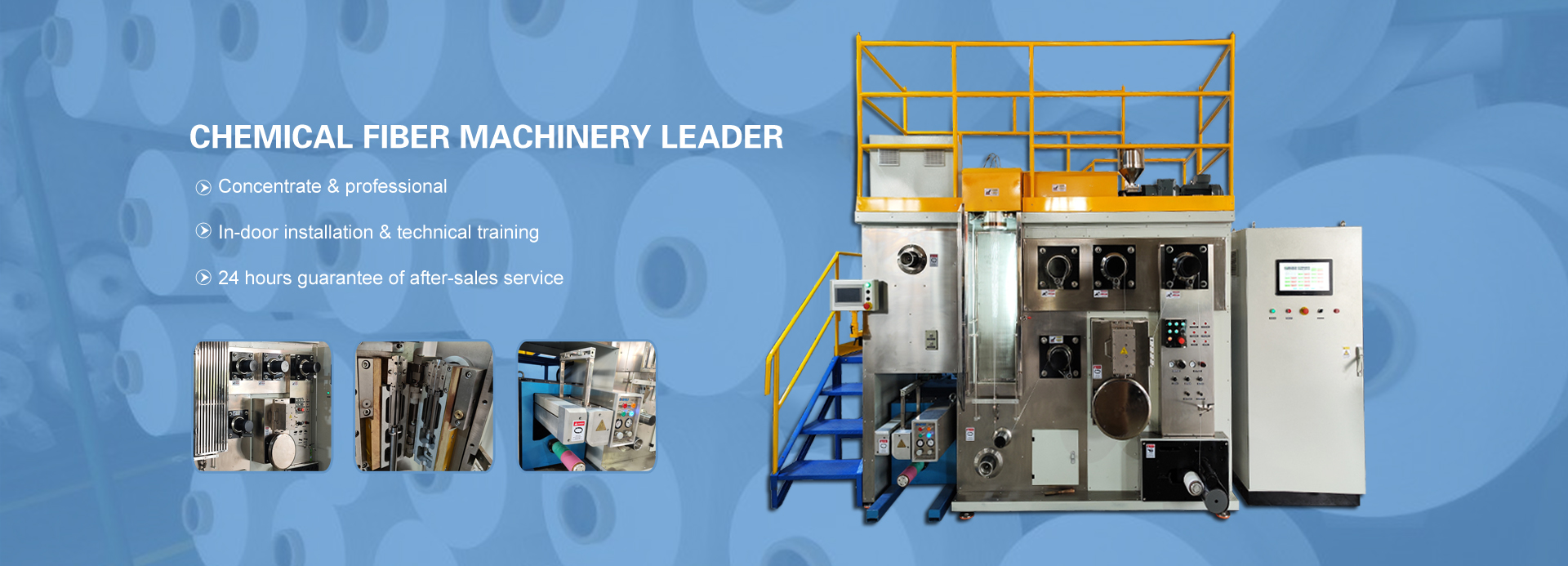
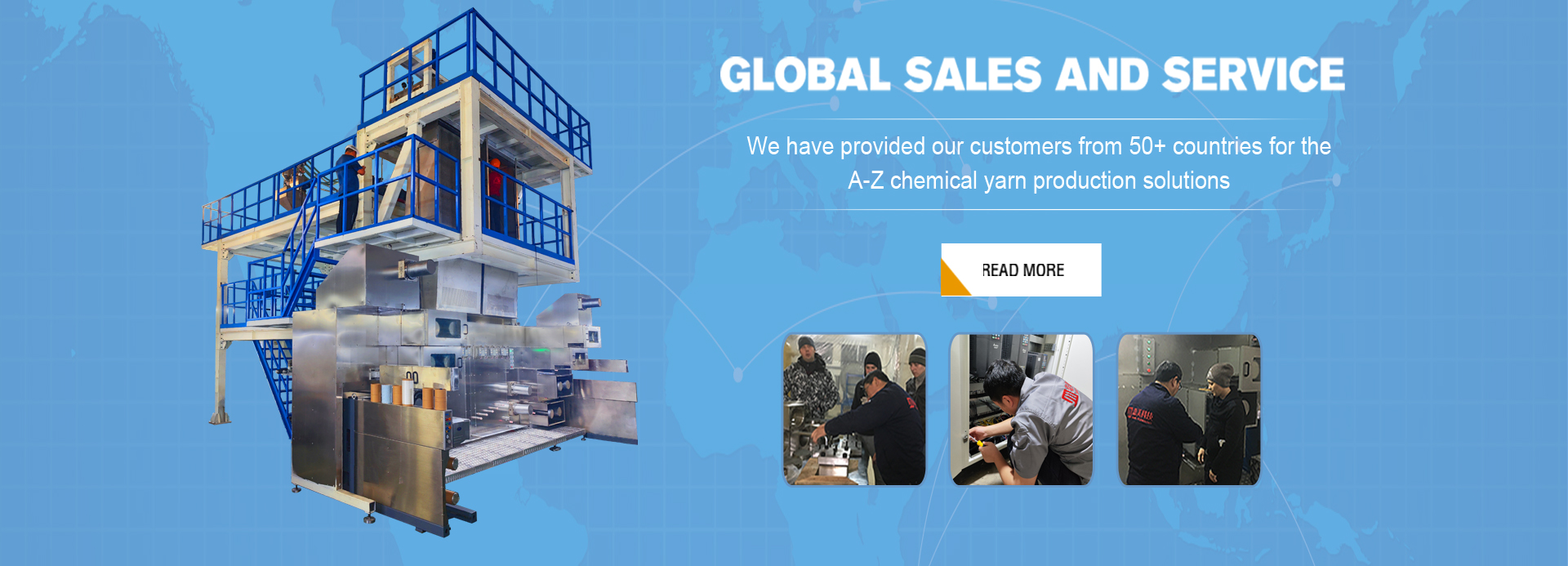
Jiamei provides installation and technical training services for its spinning equipment. The installation schedule depends on the machine configuration, factory readiness and project conditions.
For Vietnamese customers, arranging technical interpretation and preparing operators in advance can help improve commissioning efficiency.
Before placing an equipment order, buyers should discuss the following points with the manufacturer:
Yarn quality: Can the machine consistently achieve the required denier, filament count and tenacity using the intended PP raw material?
Production capacity: What is the actual daily output at the target yarn specification?
Energy consumption: What is the measured electricity consumption per kilogram of finished yarn?
Factory requirements: What are the required building height, floor space, cooling water, compressed air and electrical capacity?
Technical support: Does the supplier provide installation, commissioning, operator training and spare parts support?
Requesting a clear technical proposal and production configuration helps reduce investment risks and makes supplier comparisons more meaningful.
Vietnam's textile industry continues to develop its domestic manufacturing capabilities. For companies producing PP sewing thread, webbing yarn, rope yarn and other industrial multifilament products, investing in a suitable spinning line can help improve raw material supply control and production flexibility.
However, selecting equipment should not be based on machine price alone. Yarn specifications, production capacity, energy consumption, factory conditions and after-sales support all affect long-term operating performance.
Jiamei Machinery provides customized PP FDY spinning machine solutions for polypropylene multifilament yarn production, with different production configurations available according to customer requirements.
If you are planning to establish or expand a PP yarn production facility in Vietnam, contact Jiamei to discuss your target yarn specifications, production capacity and factory layout.
Explore our equipment: PP FDY Multifilament Spinning Machine
A PP FDY spinning machine is an industrial production line that converts polypropylene chips into fully drawn continuous multifilament yarn through extrusion, melt spinning, cooling, drawing and winding.
PP FDY yarn can be used to manufacture industrial sewing thread, webbing, ropes, fishing nets, narrow fabrics and other industrial textile products.
The main raw material is polypropylene (PP) spinning-grade resin. The specific resin grade, melt flow characteristics and additives should be selected according to the target yarn specifications and production process.
Requirements depend on the machine model and production capacity. Buyers should confirm factory height, installation space, electrical supply, cooling systems, compressed air and environmental conditions before ordering.
Start with the final yarn application, target denier, filament count, required tenacity and daily production capacity. The equipment configuration should then be matched to these requirements, together with the available factory space and utility conditions.
Technical Support: 

 English
 русский